Filters
32 products
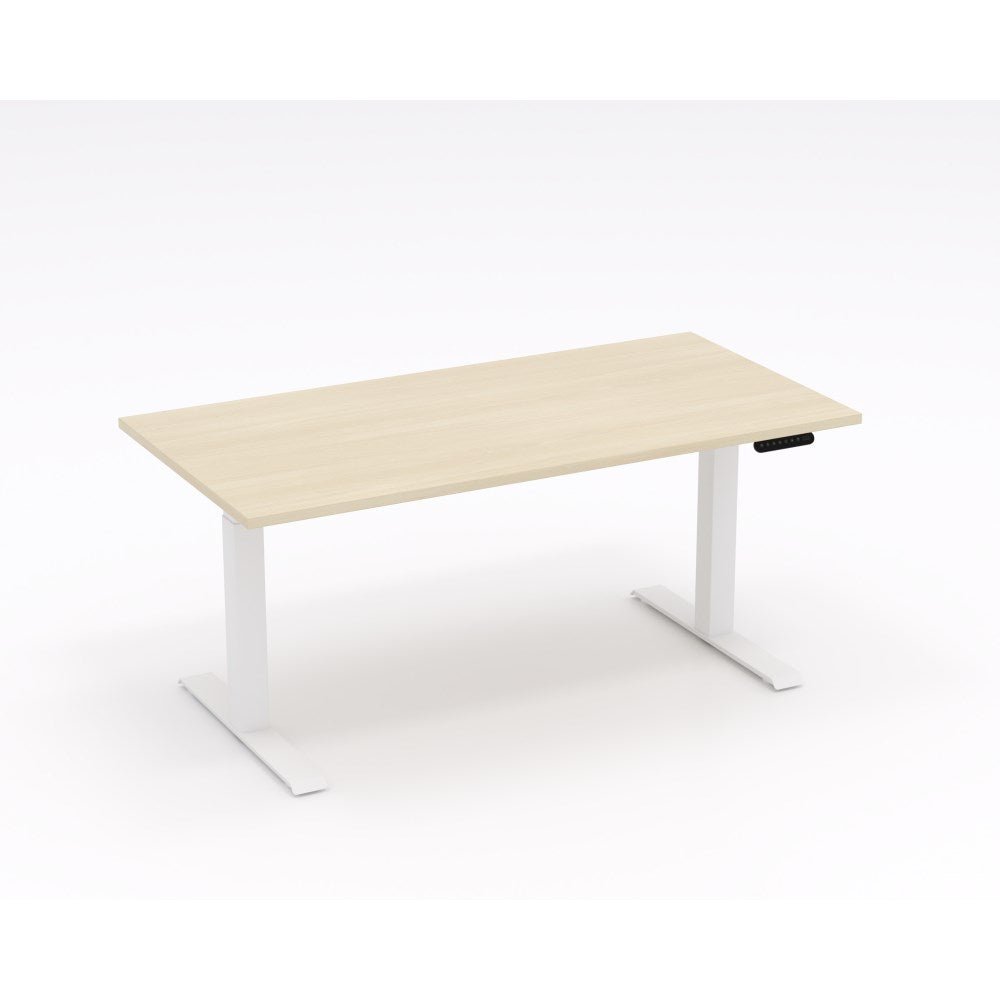
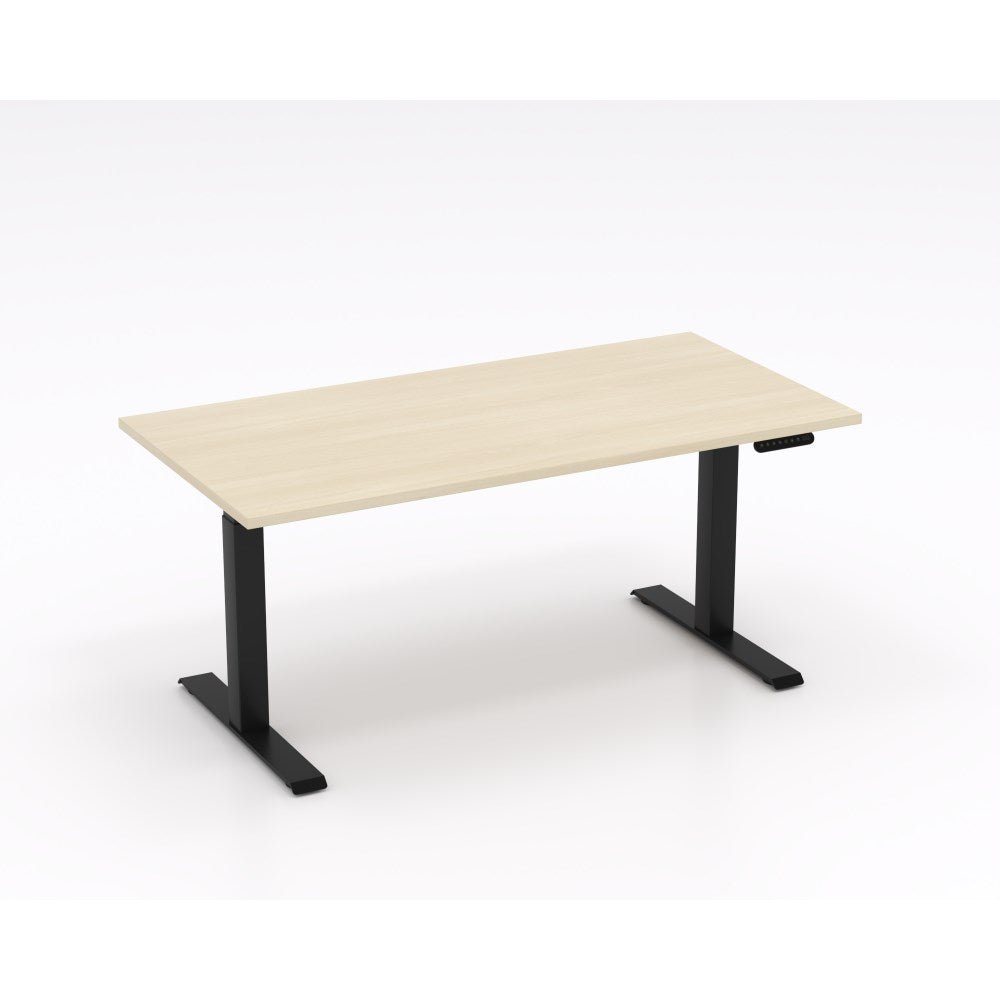
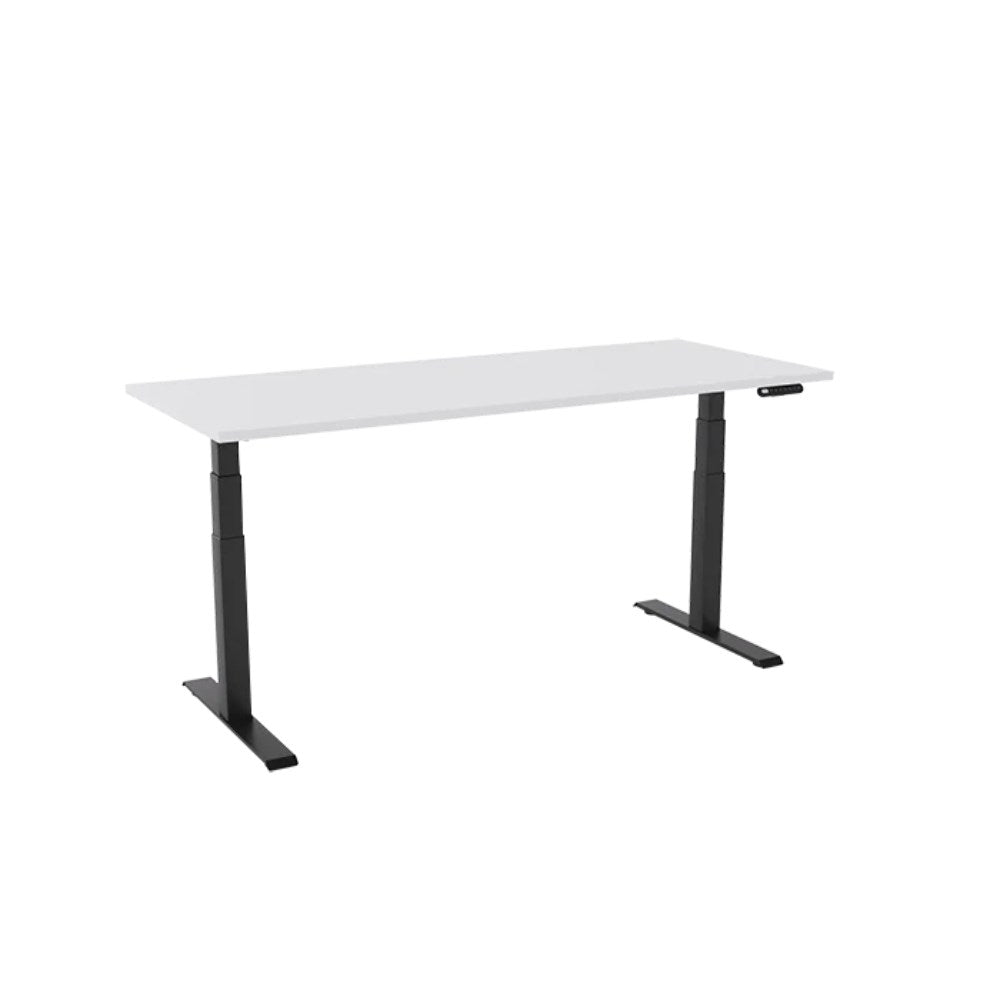
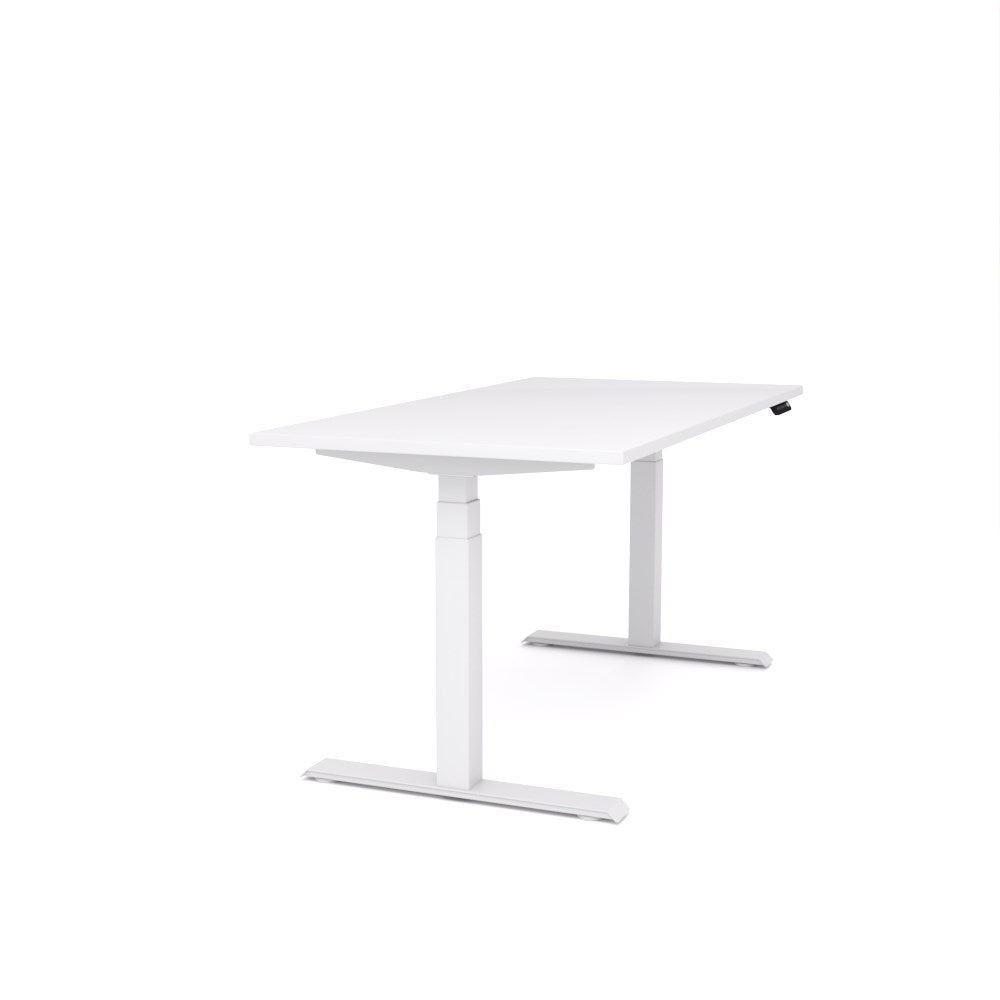


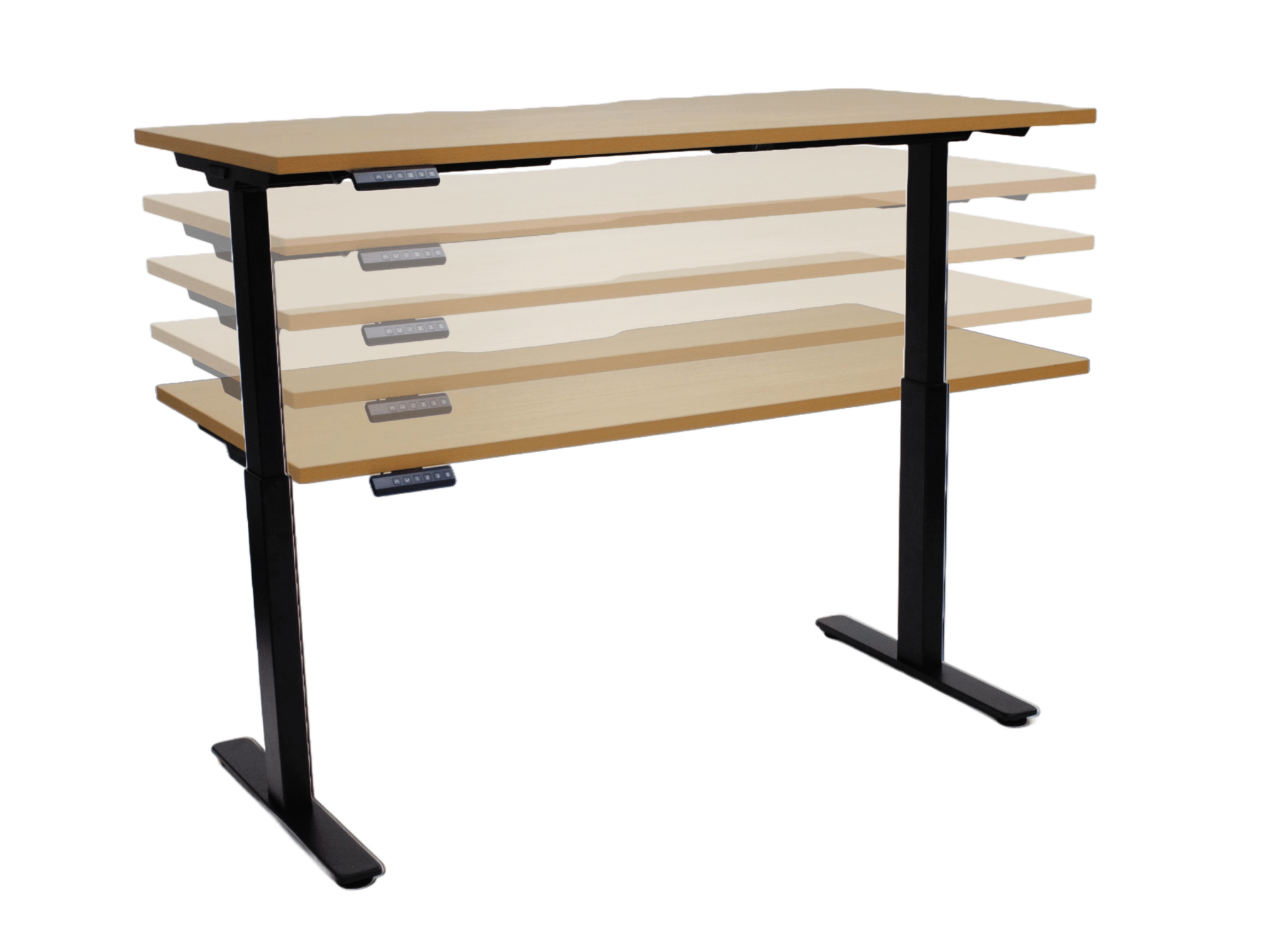
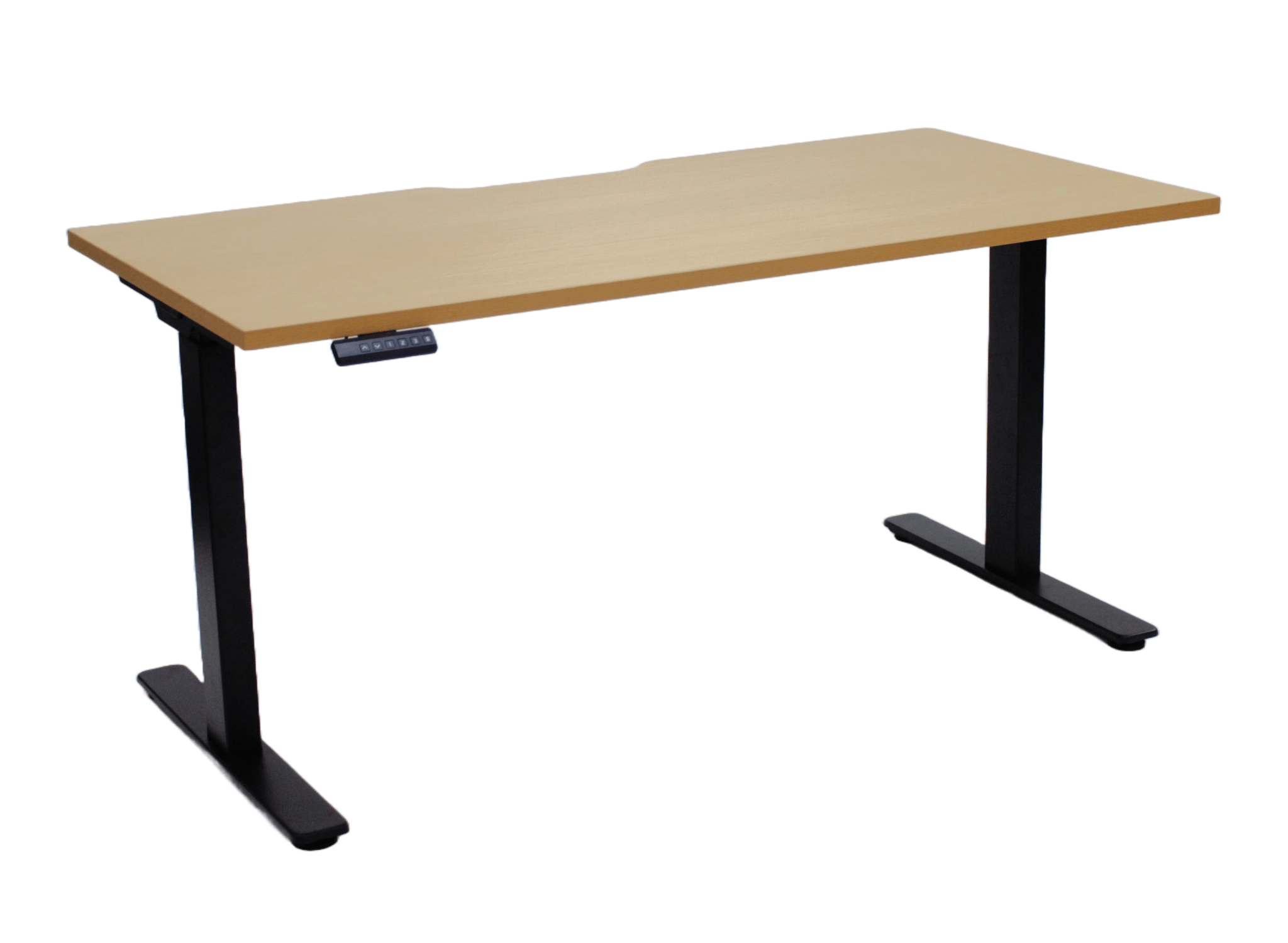


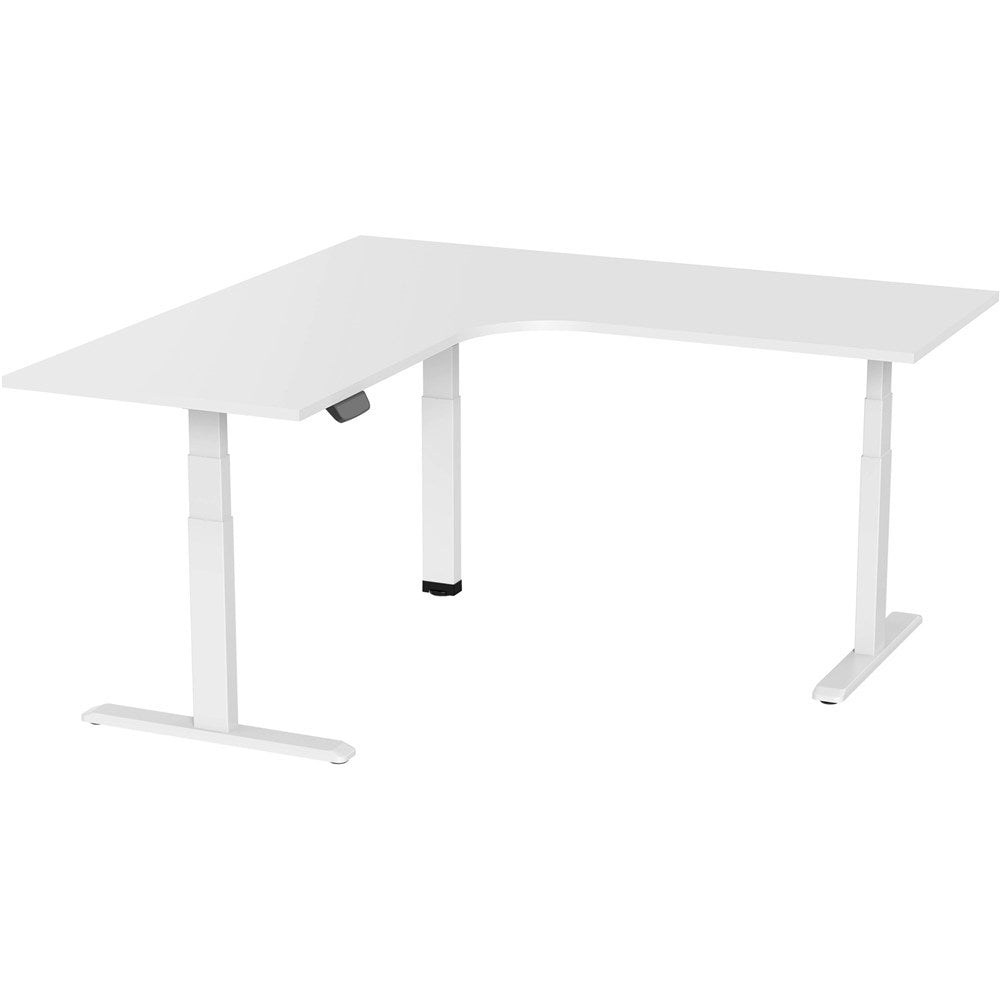
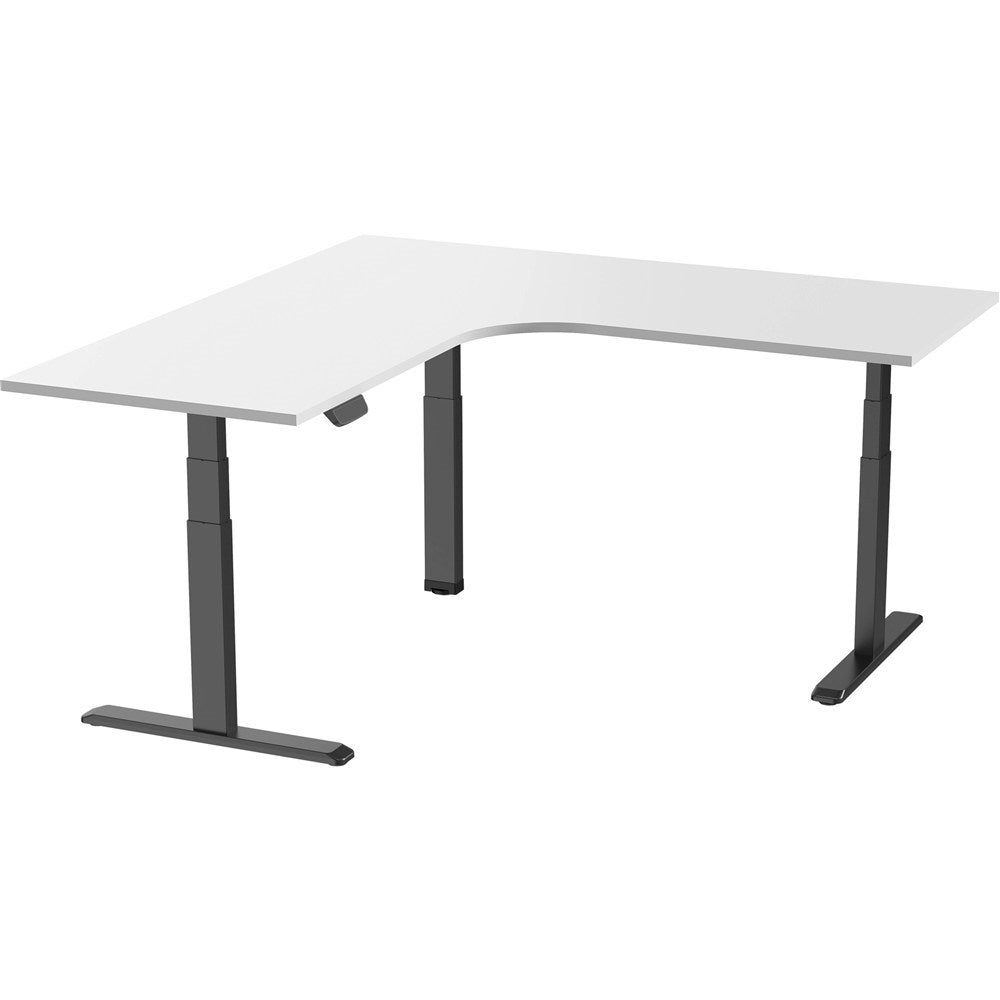


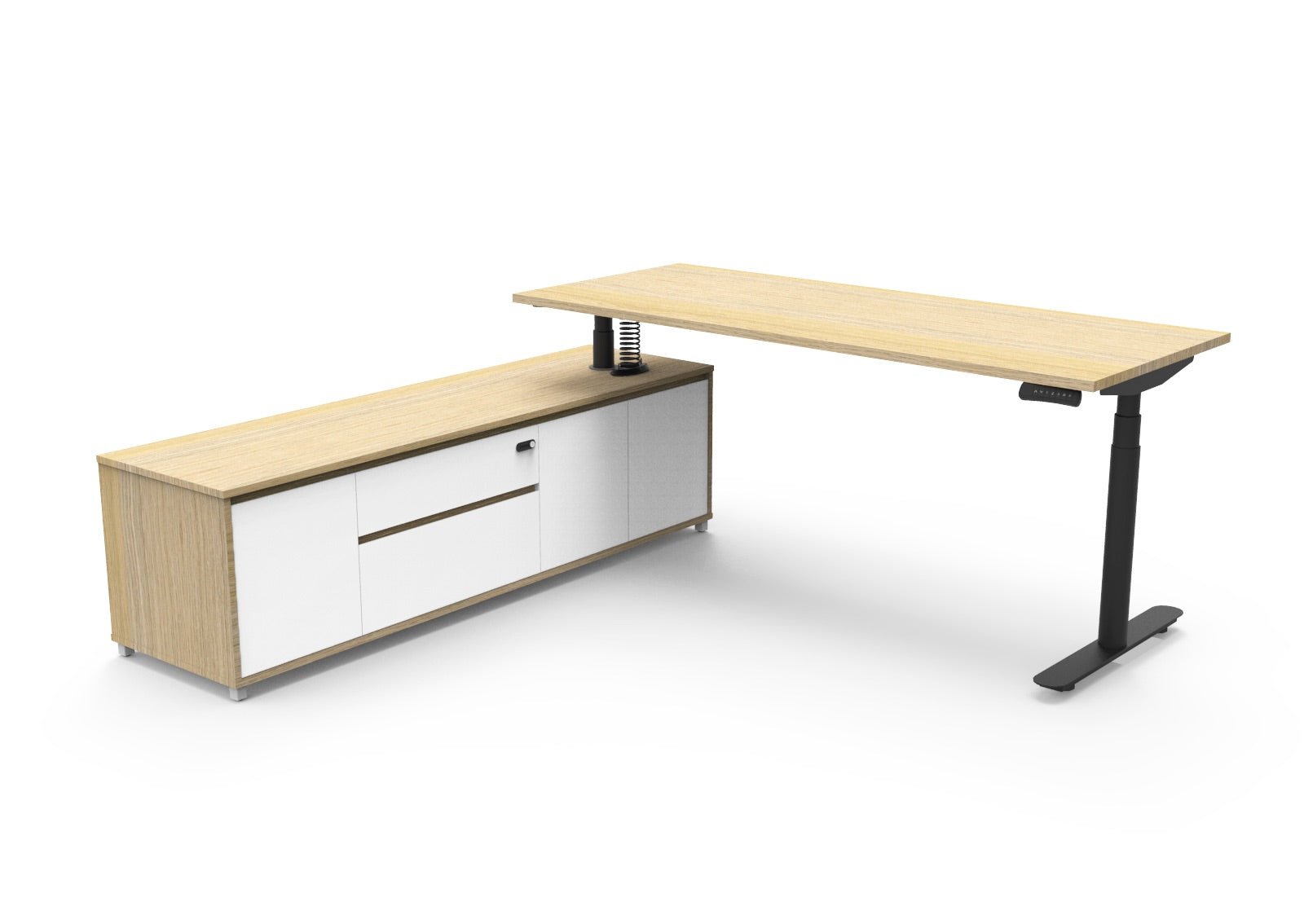
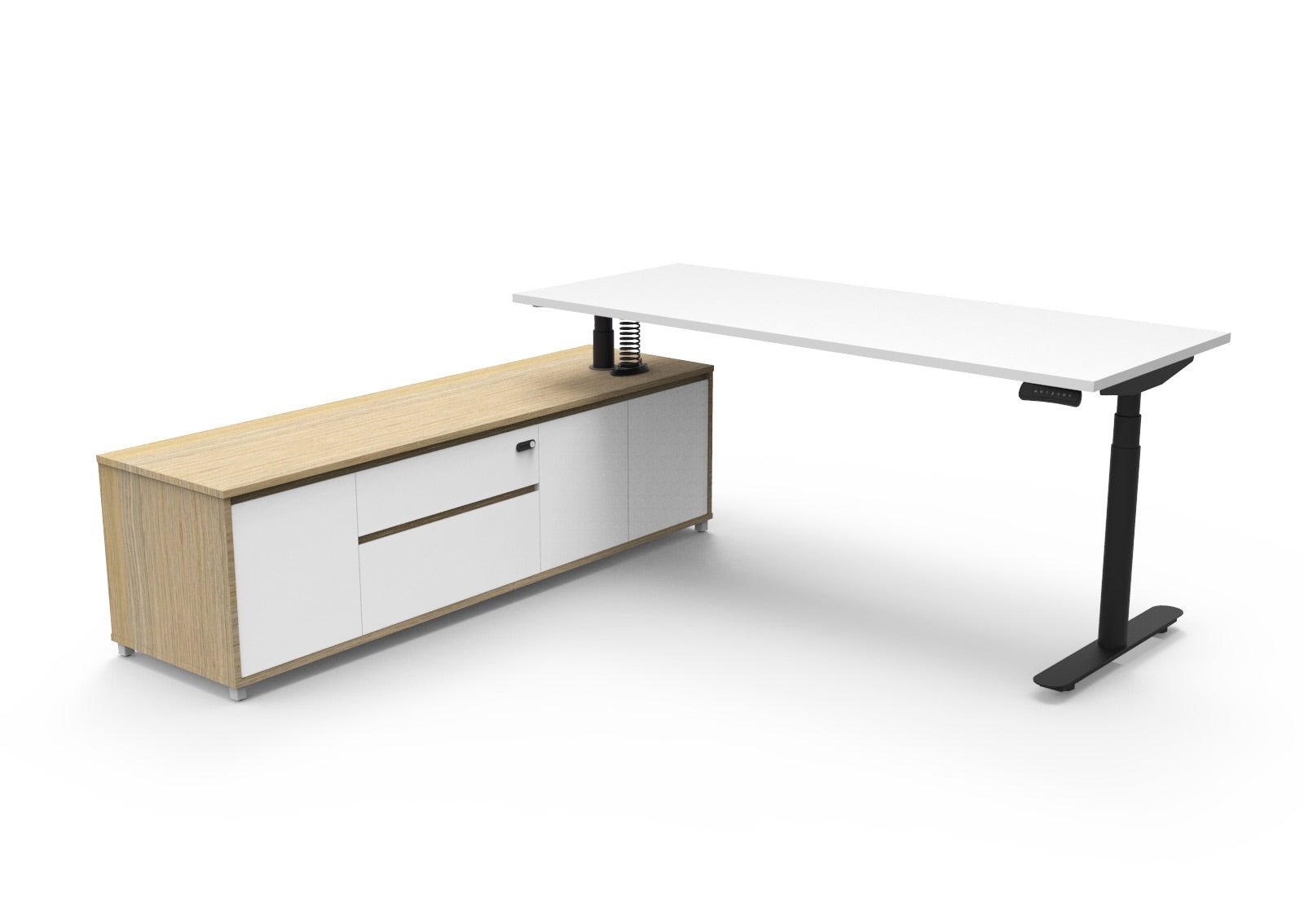


Sit-stand desks allow users to alternate between sitting and standing throughout the day, helping reduce prolonged sedentary time. They can support better posture, encourage regular movement and make it easier to adjust the workstation to a comfortable ergonomic height. Many users also find that changing position during the day can improve comfort, focus and overall workplace wellbeing.
There is no single ideal standing duration for everyone. A good approach is to change position regularly rather than sitting or standing for long, uninterrupted periods. Many people start with 15–30 minutes of standing at a time and gradually increase the duration as they become comfortable.
Aim to change position regularly throughout the working day. Alternating every 30–60 minutes can be a practical starting point, although the best schedule will depend on your comfort, tasks and individual needs. The key is to avoid remaining in one position for extended periods.
When sitting or standing, adjust the desk so your forearms are approximately parallel to the floor and your elbows are around a 90-degree angle while typing. Your shoulders should remain relaxed, and your monitor should be positioned so the top of the screen is around eye level. Because body proportions vary, choosing a desk with a wide height-adjustment range is important.
An anti-fatigue mat is not essential, but it can make standing more comfortable, particularly on hard flooring. The cushioned surface can encourage subtle movement and reduce pressure on the feet and legs. Supportive footwear and regularly alternating between sitting and standing are also important for maintaining comfort.